Why Slowing Down Is Part of French Dining Culture
Why Slowing Down Is Part of French Dining Culture
In France, eating has never been treated as something to rush through. It is not squeezed between meetings or finished while standing. Meals are allowed to take time, and that time is never seen as wasted. Slowing down is not an accident of French dining culture. It is a choice that has been passed down quietly, table by table. Food is meant to be noticed. Time is meant to be felt.
Meals Are Not Filler in the Day
In many places, meals exist only to refuel. In French culture, they exist to ground the day. Breakfast starts gently. Lunch is respected. Dinner is not something to hurry through so the evening can begin. The meal is the moment. People sit down knowing they will be there for a while. That expectation alone changes behavior. Plates are approached differently. Conversation starts without urgency. There is no mental countdown to what comes next.
The Table Is Designed for Staying
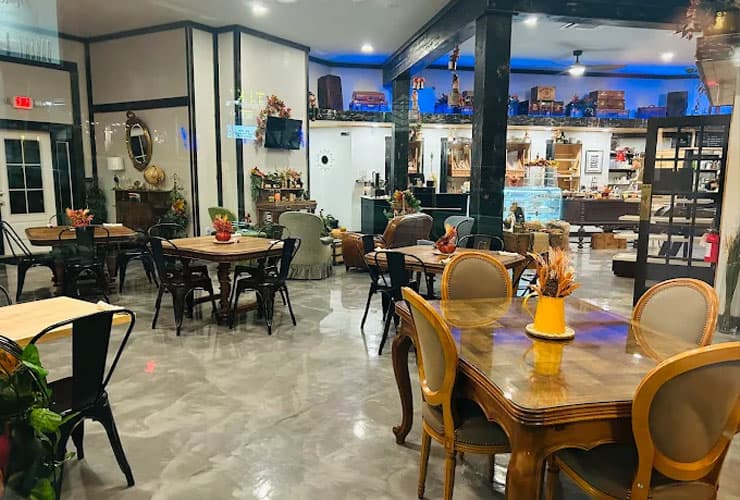
French dining spaces are built with lingering in mind. Chairs invite comfort instead of quick exits. Tables are close enough to feel connected but not crowded. Lighting is warm, never harsh. Nothing in the room pushes you to leave. This design does the work quietly. When the space allows people to stay, they do. No signs are needed. No rules are stated. The environment sets the pace naturally.
Slowing Down Is a Form of Respect
Taking time with food is considered respectful. Respect for the ingredients that were grown, harvested, and prepared. Respect for the hands that shaped the dough or stirred the sauce. Respect for the people sharing the table. A croissant layered carefully with butter is not eaten absentmindedly. A pastry made with intention is not rushed through while distracted. Eating slowly is how appreciation is shown without words.
Conversation Belongs at the Table
French meals are rarely quiet, but they are rarely rushed either. Because no one is watching the clock, there is no pressure to wrap things up neatly. Stories wander. Topics shift. Laughter comes naturally. The conversation becomes part of the meal, not something that competes with it.
There Is No Urgency to Finish
One of the most noticeable aspects of French dining is the absence of pressure. Plates are not cleared the moment someone pauses. No one checks to see if you are done yet. You eat at your own pace. That lack of urgency changes everything. People listen to their bodies more closely. Fullness is noticed sooner. Satisfaction comes without excess.
You Choose The Pace
Choosing to sit instead of rush. Choosing to taste instead of scroll. Choosing to let the meal unfold without interruption. These choices are small, but they change how food is remembered.
What People Carry With Them After the Meal
Years later, people rarely remember exact dishes or prices. They remember how the meal felt. The calm. The warmth. The sense that time slowed down for a while. Those memories last because they are tied to presence, not performance.