Oct 10,2025
There is a moment every year, somewhere between late September and early October, when pumpkins begin piling up on farm stands. Not arranged neatly. Just scattered in a way that makes the whole scene feel honest. People pick them up, check the weight, place them back down, choose another. In the background you can smell the soil, slightly wet from the weather starting to cool. This is the same time French bakers begin paying attention, because this is when fall ingredients start calling quietly.
Pumpkins sit in the field for months, soaking up the sun. Apples hold their sweetness until nights get colder. Pears ripen at their own slow pace. None of them feel rushed. That patience ends up inside the bakery too. When a crate of pumpkins arrives, still dusty from the farm, it feels like nature walking through the door. The baker lifts one, taps it gently, listens to the sound as if it matters. Maybe it does. These small rituals decide which pumpkin becomes puree and which one waits for the next morning.
French baking has its own rhythm. Everything is gentle. No ingredient is thrown into the bowl without thought. Pumpkin puree gets folded slowly into brioche dough until the whole mix turns a soft golden shade. Apples are sliced thin enough to curl slightly when the heat touches them. Pears are handled like they might bruise just from being looked at too quickly. Someone in the kitchen will be stirring a pot of caramel on low heat, letting the sugar darken a little more than usual because fall seems to ask for deeper flavors. The whole room smells different on these days. Warm. Sweet in a quiet way. It hangs in the air long after the pastries are done.
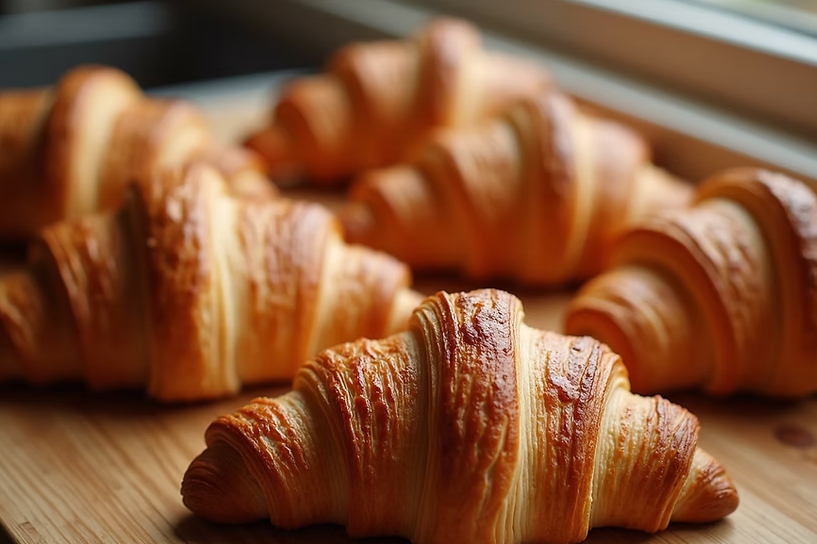
Cinnamon has this way of sinking into a French dough without shouting. Nutmeg hides in custard like a small secret. Clove appears in such tiny amounts that most people cannot name it, but they feel it. These spices, the ones that belong to fall, melt into flaky layers of croissants and soft centers of pain au lait. Inside a bakery, when the ovens open, the smell rushes out and wraps around whoever is standing closest. Some customers step in just because the scent drifted outside and tugged at their memory of some fall morning years back. Baking does that sometimes.
French pastries are delicate without being fragile. They carry layers. They hold warmth. Fall ingredients slip into those textures like they were meant for them. Pumpkin softens dough naturally and gives it a color that looks like late afternoon sunlight. Apples add brightness without making things heavy. Pears melt into their own perfume when baked, turning into something almost creamy. Even chestnuts come into the picture in November. They have an earthiness that blends with cream and sugar in a way that makes the whole pastry feel like it belongs beside a cup of hot coffee on a cold day.


